
Knecht Automobile Hettenschwil, Zurzach, Schweiz
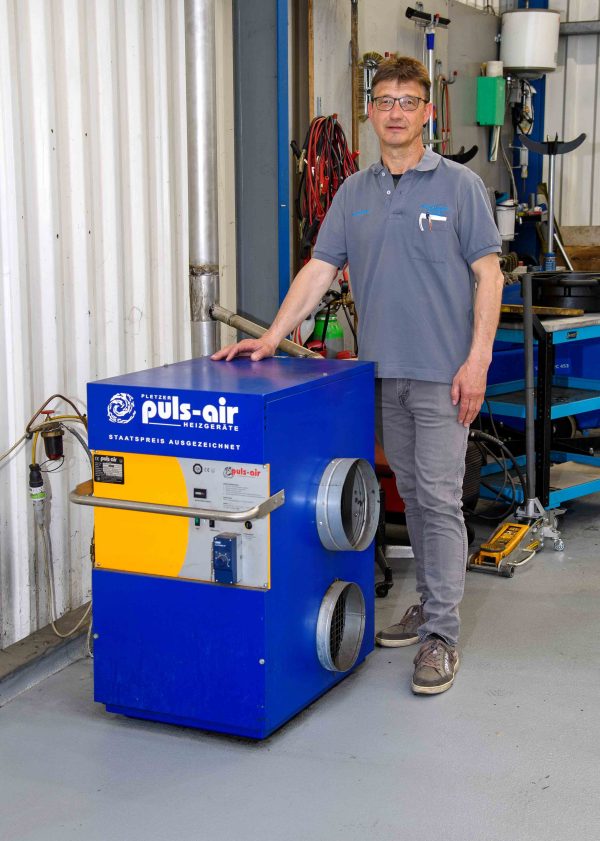
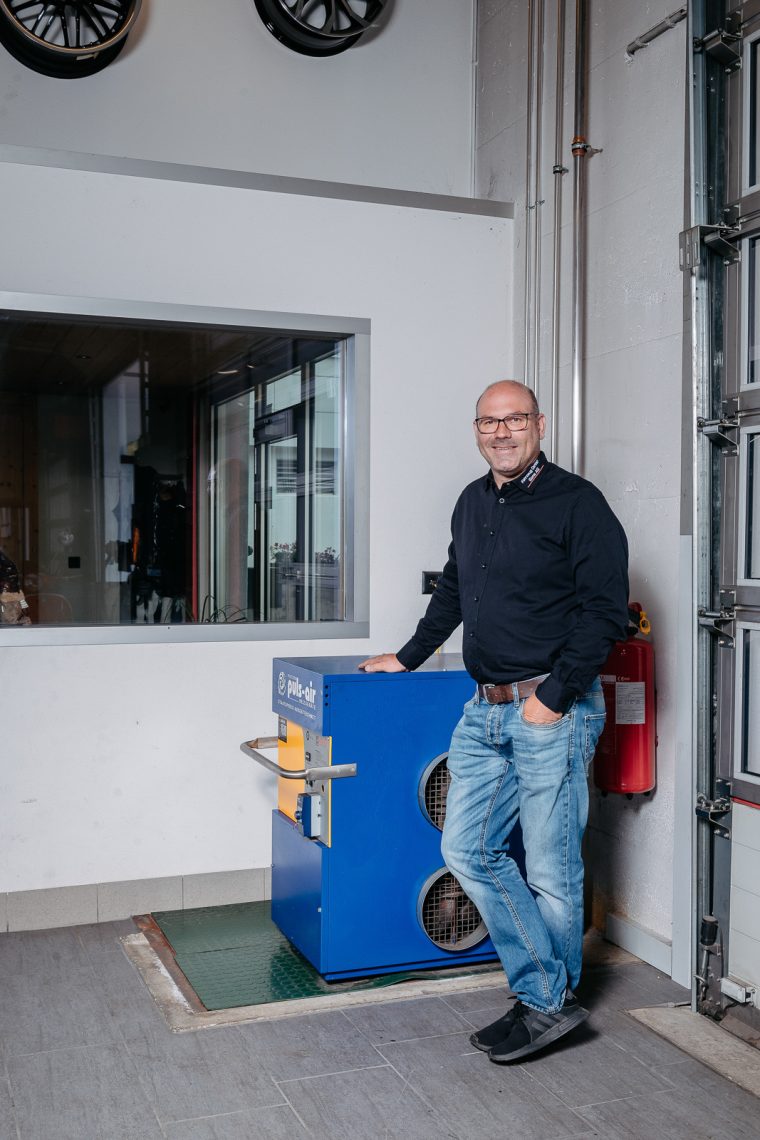
Joe Knecht, owner of Knecht Automobile, describes his experience with the heating-oil-fired Puls-air workshop and hall heater from Austria.
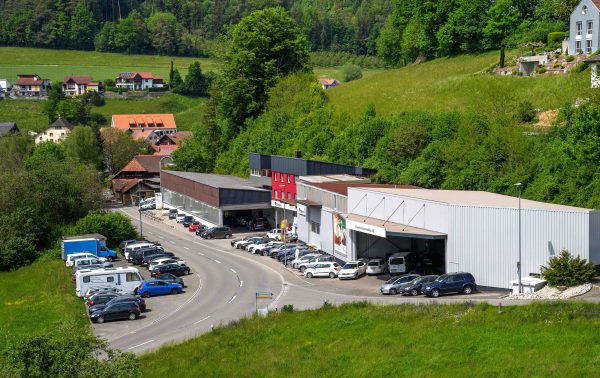
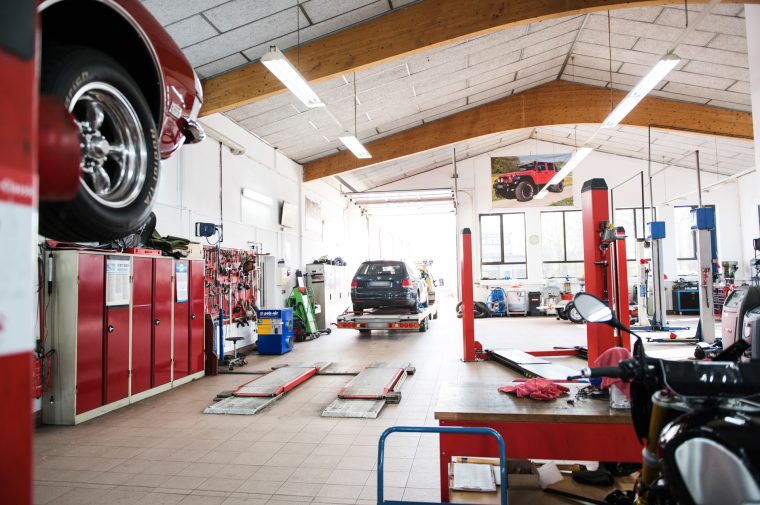
Since 2004, Knecht Automobile has been serving its customers in Hettenschwil, Switzerland. True to the motto “Quality is our drive”, repair and servicing work is carried out on vehicles of all makes in the in-house car workshop. Knecht also has a diverse and wide range of used cars.
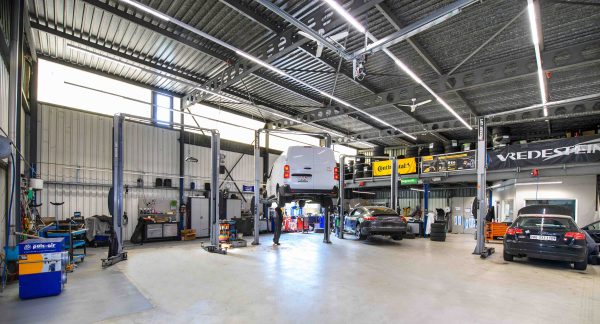
So that work can continue in the in-house car workshop in winter too, Mr Knecht looked into a suitable heater for his workshop, which at 6.5 metres is relatively high.
During a visit to a trade fair in Frankfurt in 2016, Mr Knecht was convinced by the compact Puls-air heater from Austria. That same year, he became the 1st Swiss customer to order a Puls-air heater.
Warm despite a ceiling height of 6.5 metres
At first, Mr Knecht had doubts as to whether the heater from Austria could heat his workshop, as at 6.5 metres it is relatively high. It quickly turned out that the “slowly rotating thermal rolling air circulation” described by the manufacturer, which the heater generates in the room to be heated, does its job. The heat in the workshop is where it is needed, namely at floor level, where the work is done.
How is the thermal rolling air circulation created?
In a physically correct way, the Puls-air heater is set up on the floor of the room to be heated. The warm air flows out of the unit at approx. 50–60 degrees and spreads out at floor level in the room. When enough cold air near the floor has been heated, it rises. At the top, the air cools down (as there is no ceiling fan heater or similar heat source), sinks back to the floor and is thus drawn through the heater again in a pre-warmed state. A “slowly rotating thermal rolling air circulation” is created, which saves a lot on heating costs.
The counter-example would be ceiling fan heaters, which push the warm air downwards against the laws of physics with high energy expenditure. The cold air is therefore where it is not needed – at floor level, where the employees are.
Patented combustion from rocket research as the decisive difference in heating costs
Especially now, when all resources are more expensive than ever, it is important to heat efficiently. Puls-air has a proven efficiency of 97%; conventional oil and gas heaters have an efficiency of between 50 & 60%. This means that only 3% of the fuel used is not converted into heat. Thanks to a patent, only Puls-air may build in and sell pulse combustion.
Fast and easy commissioning without a technician
An important reason for Mr Knecht’s decision when buying a new heater was the installation or commissioning. Most heating solutions require a technician to install the heater, which of course involves additional costs. The Puls-air heater is delivered on a Euro pallet and placed on the floor of the room to be heated (at least 30 cm away from the wall). Plug into 230 volt power, route the exhaust gas outdoors via a 35 mm stainless steel pipe, connect the unit to the existing heating oil tank if required (for immediate commissioning, a 20-litre tank is attached to the back of the unit). DONE.
Satisfied with consumption and quality
Mr Knecht explains that the heater has been in operation since 2016 without any major maintenance. This is only possible because pulse combustion is so clean and free of combustion residues. Good for maintenance costs and for the environment!
Summary: why is Puls-air so economical?
There are three main reasons for this:
- Physically sensible positioning on the floor of the room to be heated
- Patented pulse combustion with 97% efficiency and outstanding combustion values
- Slowly rotating thermal rolling air circulation (the air is not always heated from scratch but is drawn through the heater in a pre-warmed state)
More references
More businesses that heat with Puls-air
 Fahrzeugcenter Goms Reckingen-Gluringen, Kanton Wallis, Schweiz
Switzerland
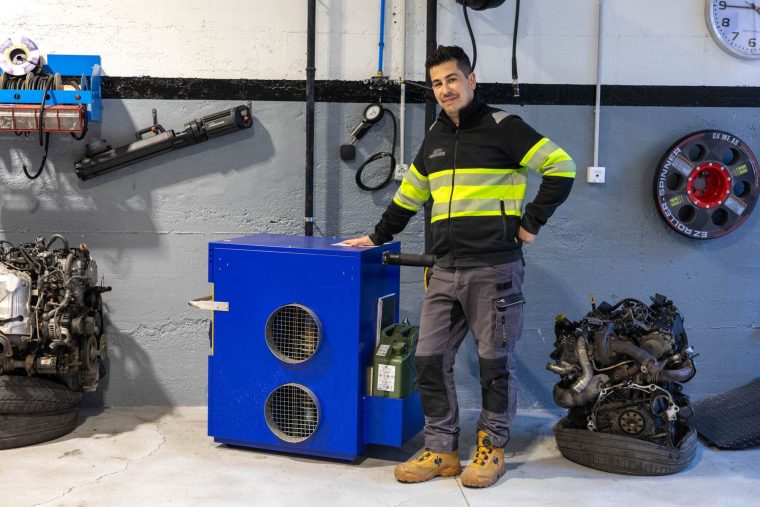 Auto Assistance Srls Südtirol, Meran, Italien
Italy
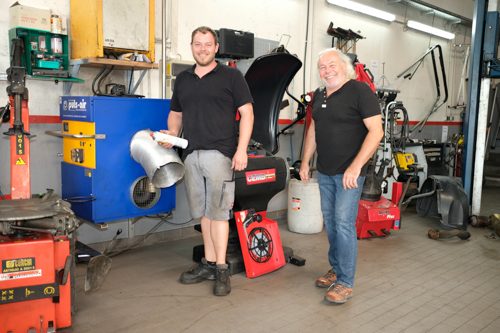 Autohaus Götz Bad Kissingen, Bayern, Deutschland
Germany
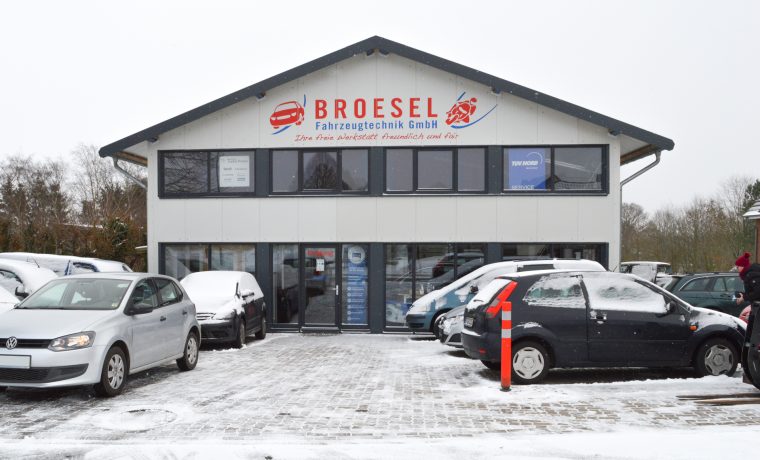 Broesel Fahrzeugtechnik GmbH Gokels, Schleswig-Holstein, Deutschland
Germany
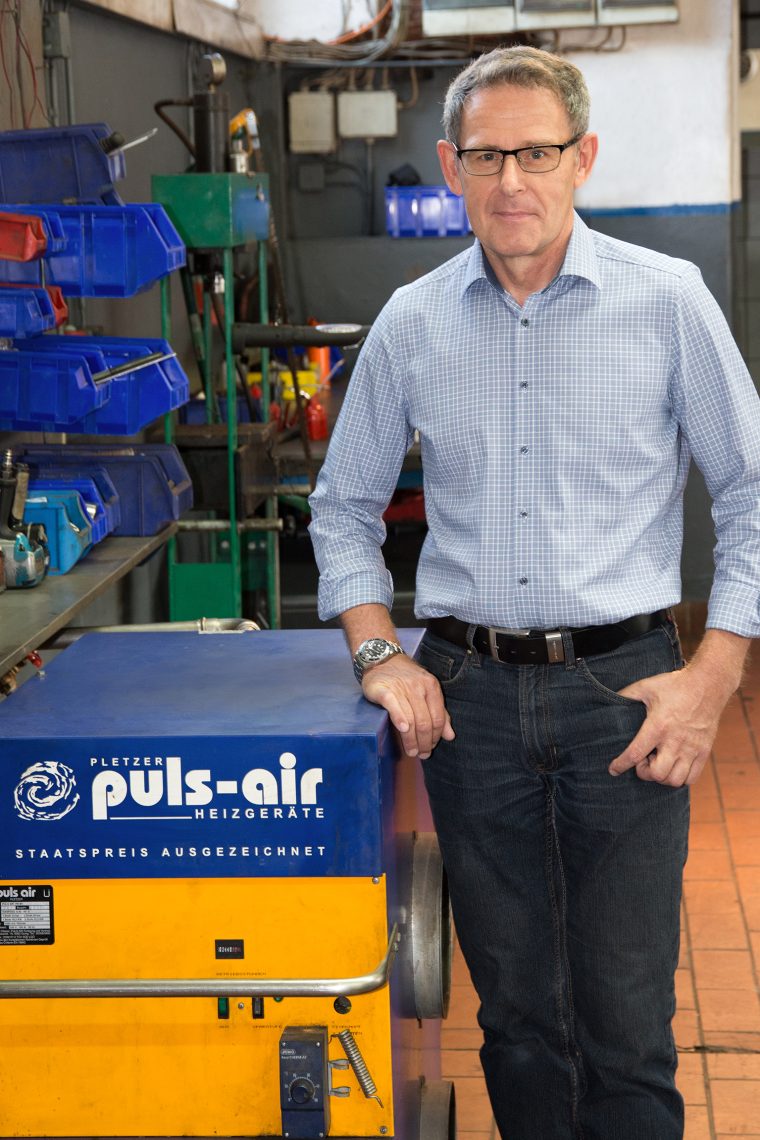 Autowelt Weiden in der Oberpfalz, Bayern, Deutschland
Germany
 Autohaus Kopp e. K. Edling, Bayern, Deutschland
Germany


